Two people in the room: how group chats work
Some of my characters were written to be in a room together. Who speaks when, how a scene starts before you have said a word, and how to put two cards you already like into the same kitchen.

House author
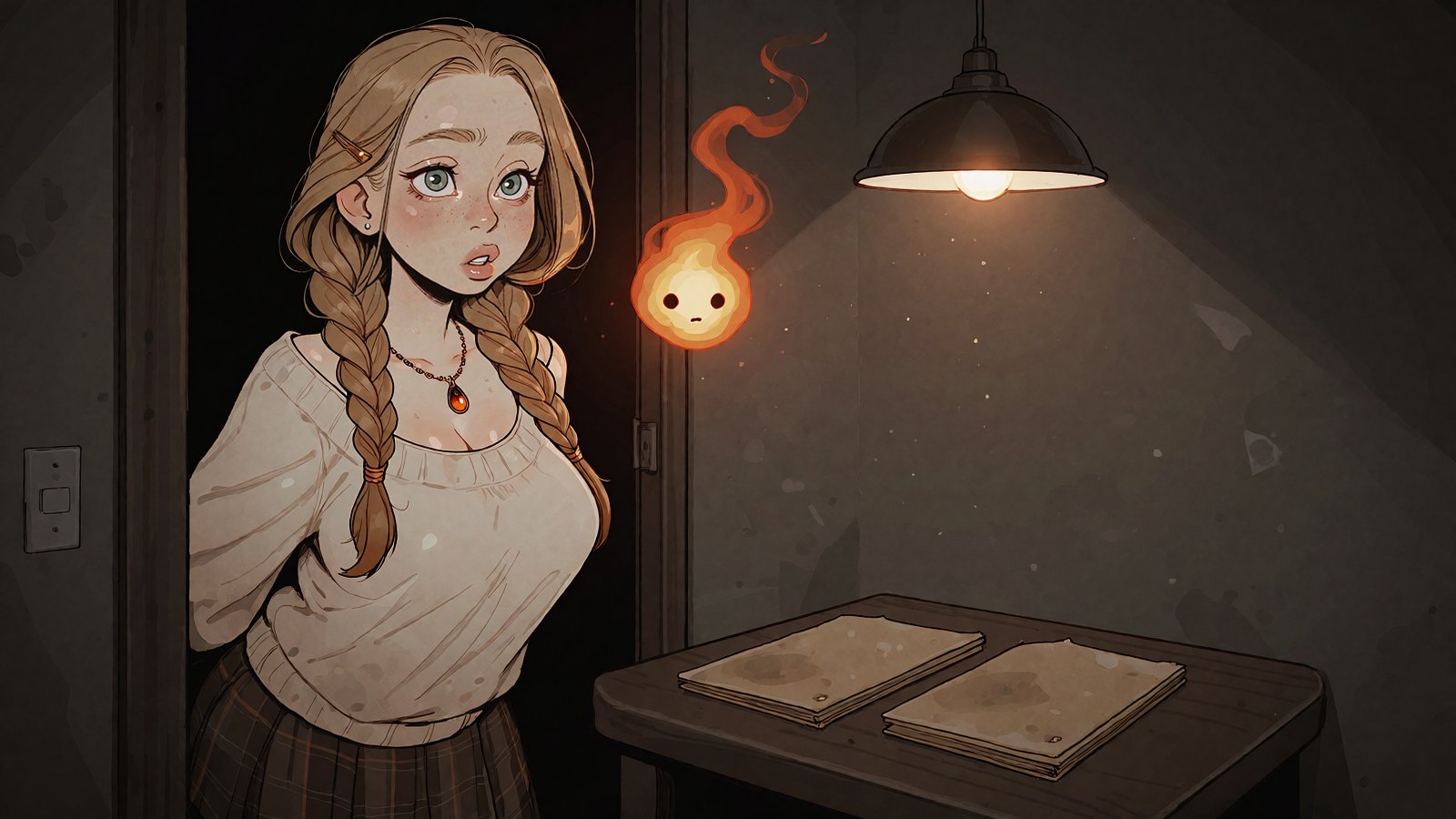
Some of my characters were written to be in a room together. The Wedding Weekend is three days at a barn wedding: the bride's sister keeps inventing jobs for you, the photographer keeps shooting only you, and your fake date keeps forgetting it is fake. Late shift is two clerks and one counter. In Four Yeses four people who all said yes to you show up at the same time and wait for instructions.
Those are groups. They behave a little differently from a chat with one person, and the differences are worth ten minutes.
What a group is
A group is a card of its own with a cast of two to ten characters. It has its own cover and its own scene, and it stands in the catalog next to the single cards with a small badge. Open any character's page and you will see the groups they belong to under "Groups with" their name.
If one person in the cast is an adult character, the whole group is; if one of them is private, the group is too. A group is as open as its most private member, no more.
Who speaks
With one person the turn is obvious. In a group there is a cast strip above the message box, and it gives you three ways to run the room.
Tap a face, and that character answers you. I do this when I want a particular person to react to what was just said, and nobody else.
Tap Next, and the scene moves without you: the next person speaks into the silence, in seating order, the talkative ones more eagerly than the quiet ones. That is how you let two people argue while you watch from the doorway.
Let the scene decide is a switch in the chat settings. Turn it on and the room reads the last few messages and picks who would speak now, the way a table full of people actually works. It is the most natural way to run a group and the one that costs the most, so it comes with the paid plans.
Anyone can be muted from the strip. They stay in the room, they stop speaking on their own, and you can still call on them by name.
The opening
A group can start with the cast already talking, three or four lines before your first message that put everyone where they stand. I write one for every group I ship, because the hardest part of a scene with four people is knowing who is next to whom.
Swipe the opening like any greeting and you get another one. Your first reply picks up from wherever the chain left off.
Building your own
The group editor asks for a cover and a scene, then the cast. Pick cards you have used enough to know their voices: two people who both do "quiet and mysterious" will sound like one person. The order you put them in is the seating order, and each of them has a talkativeness dial that decides how eagerly they jump in when nobody asked.
Then write the opening. Each line is one character speaking, in their voice, reacting to the scene and to each other. Point the last line at the reader.
Groups you make live under My groups in your library, and they go through the same quick check as a single card when you publish.
The best groups I have seen readers make are two existing cards with a reason to be in the same kitchen. Start there.
Discussion